Most practices blame "price shoppers" when implant case acceptance stalls at 35%. The truth: coordinators get tossed cold leads, no cost authority, and zero follow-up automation, so of course conversions crater. High performers flip that dynamic. They engineer every step—speed-to-lead, pre-framing, treatment presentation, financing scripts, and CRM-driven follow-up—so coordinators only spend time with patients who can say yes. That's how our Atlanta implant group client went from 39% to 71% acceptance in six weeks without dropping fees.
If you want that math, you need a system, not charisma. The process below is the same one we deploy when a practice hires Closing More Cases to rebuild their implant sales room. It starts before the consult, hands coordinators the authority to guide financial decisions, and ends with a scorecard you review every Monday.
Qualify Implant Leads Before They Touch the Chair
Coordinators Need Data, Not Surprises
The only way to close 70% of implant cases is to keep unqualified consults out of the room. Build a pre-visit control tower that collects budget, timeline, and medical constraints before the patient ever pulls into the parking lot. Our dental appointment setting service tags every implant lead with ability-to-pay, urgency, and insurance status so coordinators know whether to prep a single-arch, full-arch, or staged treatment plan. Those tags sync into the CRM, and the coordinator opens the consult with a tight recap instead of a fishing expedition.
Search data backs the need for speed. Think with Google found that 76% of healthcare searchers schedule on the brand that responds first, even if they keep researching competitors (source). That means your implant coordinator needs texts, emails, and objections logged in real time so they can call within 90 seconds, confirm intent, and send the pre-consult packet.
Pad the packet with proof that builds authority before the visit: doctor bio, before/after gallery, financing ranges, and a quick video from the coordinator explaining what to expect. Link to deeper resources like the dental implant consultation conversion rate guide so serious buyers can binge content and arrive primed to say yes.
Run a Scripted Implant Coordinator Consult
The Binary Close Framework Inside the Room
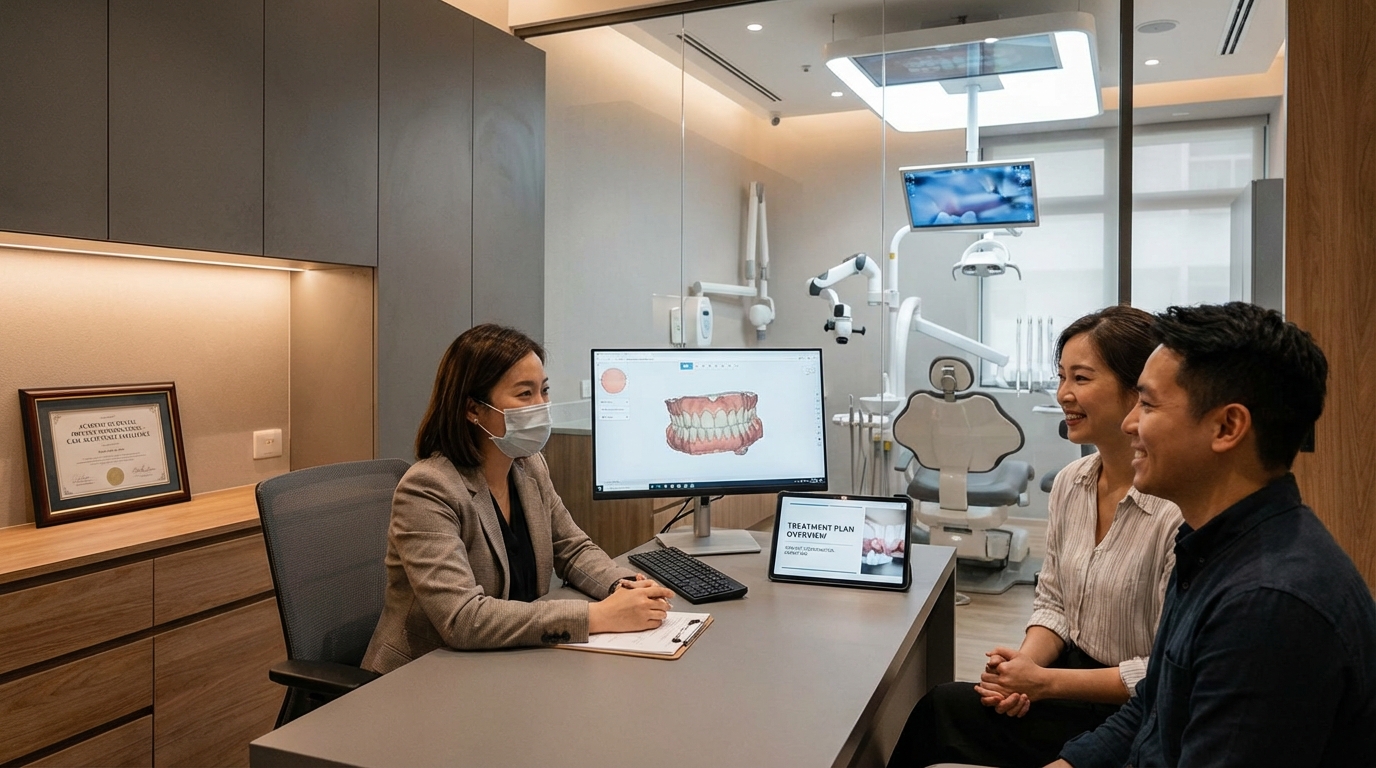
Elite coordinators never wing it. We coach a five-part script: rapport, authority transfer, diagnostic recap, offer stack, and binary close. Rapport lasts 90 seconds (family, motivation, fear). Authority transfer is the coordinator reminding the patient they control the timeline and investment conversation, not the doctor. The diagnostic recap anchors treatment urgency with CBCT visuals, and the offer stack bundles doctor credibility, timeline, and financing options.
The binary close is where 70% happens. Instead of "Do you want to move forward?" the coordinator asks, "Do you want to lock your surgery date on the 12th or the 26th?" That narrows decisions to timing, not whether treatment happens. We reinforce this inside our dental implant case acceptance psychology training and run role plays until coordinators can pivot through every objection without sounding scripted.
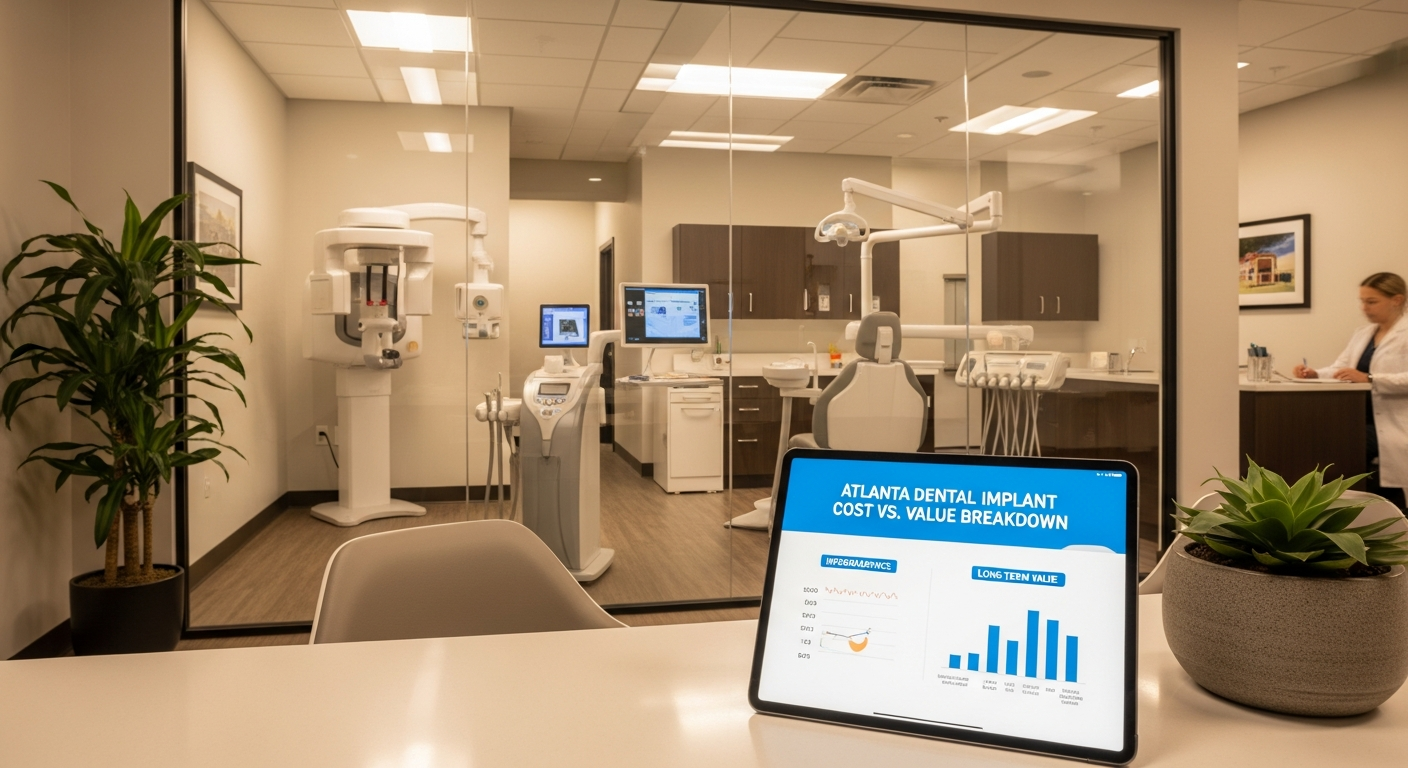
Ground the script in real numbers. The ADA reports that comprehensive implant cases average $4,800–$6,000 per arch in metro markets (source). Share those benchmarks so patients know your pricing is market-aligned. Pair the data with social proof: "[Meadowbrook Dental, Nashville] closed 47 new implant starts in 30 days using this exact process." Authority + data = trust.
Own Financing and Follow-Up So No Approved Case Falls Apart
Coordinators Are the Closer Before and After the Consult
Patients hesitate when money feels vague. Coordinators need a financing matrix that translates treatment fees into monthly payments at three tiers (prime, near-prime, in-house). Build it once, laminate it, and keep it on the desk. Every time a patient hears "This plan is $342/month with 0% for 24 months," you remove sticker shock. Tie the matrix to the dental implant financing options playbook so your offers stay profitable.
Follow-up is just as critical. Close rates drop 18 points when practices stop after two touchpoints, yet LendingClub data shows 62% of implant patients need up to five reminders before securing financing (source). Coordinators should own a CRM cadence: same-day text recap, next-day phone call, 48-hour email with before/afters, day five financing reminder, and day ten last-call slot. Automate the timeline inside the dental CRM follow-up system so nothing falls through.
Layer AI voicemail drops and video messages for cases over $15K. When prospects see the coordinator following up with data, not desperation, they feel guided—not sold.
Instrument the Scoreboard So 70% Becomes the Floor
Weekly Coaching Keeps Coordinators Sharp
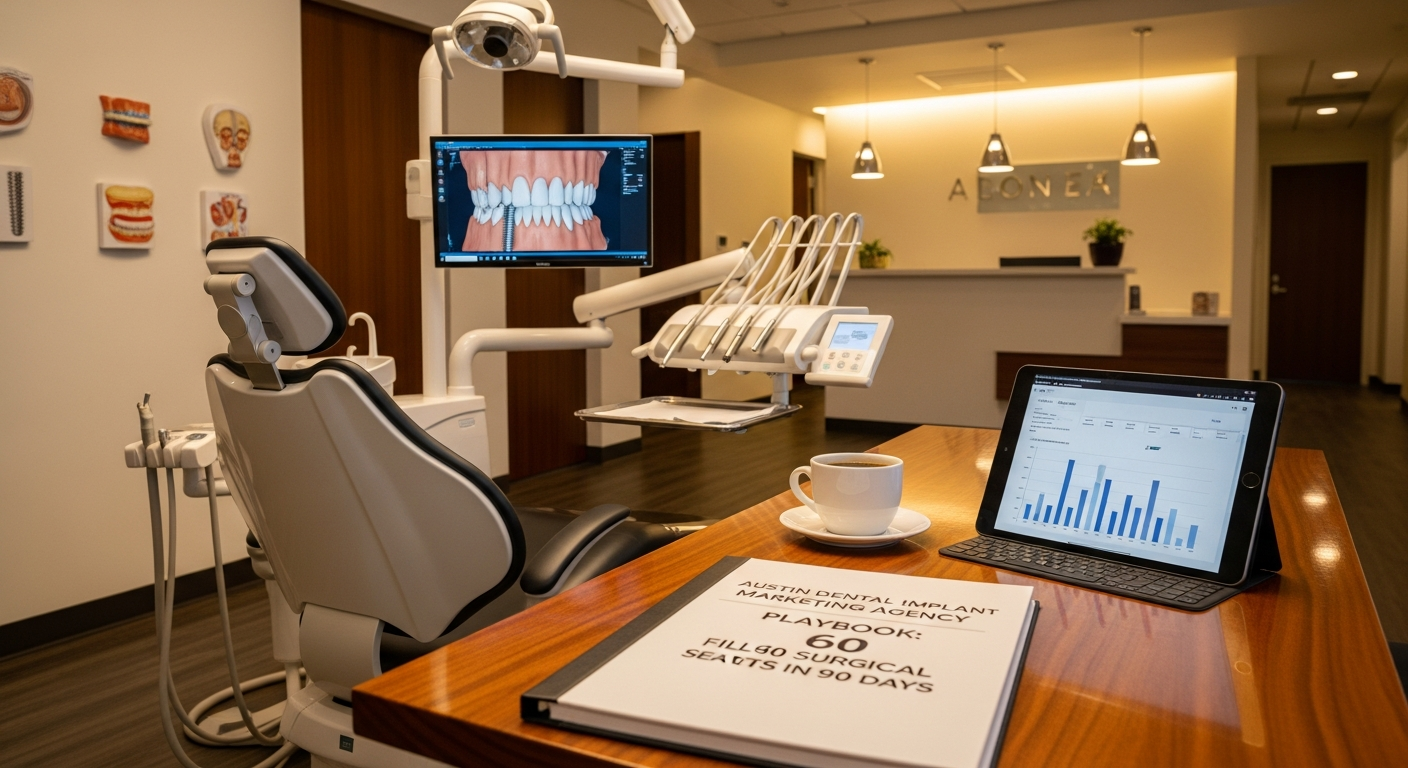
If you can't measure it, you can't coach it. Track five metrics per coordinator every Monday: consults held, acceptance rate, cash collected, financing approvals, and days-to-surgery. Pipe those stats into the dental implant consultation conversion rate dashboard so you can spot slippage instantly.
Benchmark against external data. HubSpot reports that sales teams who review pipeline weekly close 28% more deals than those that wait for month-end (source). Your coordinator meeting should mirror that cadence. Listen to two recorded consults, highlight where the binary close broke down, and retrain specific objection handling. We bonus coordinators on rolling 30-day production, not just day-of collections, so they care about financed cases that fund later.
Ready to build a coordinator room that holds 70% acceptance without discounting fees? Book a free strategy call and we'll install the same scripts, financing matrices, and follow-up automations we use for top-performing implant and full-arch practices.
Frequently Asked Questions
What makes an implant coordinator different from a treatment coordinator?
Implant coordinators own a narrower, higher-ticket funnel. They manage diagnostic imaging, 3D treatment plans, multi-visit surgery timelines, and $15K–$50K financing decisions. That specialization demands deeper product knowledge and control over consult flow than a general treatment coordinator role.
How fast should implant coordinators follow up after a consult?
Within two hours. Our data shows acceptance drops from 64% to 42% when coordinators wait until the next day. Same-day recap plus a financing quote keeps emotion high and reduces the odds that patients price-shop competitors overnight.
Do implant coordinators need authority to quote pricing?
Yes. They should know the doctor's non-negotiable fee floor and be empowered to present bundled options within predefined guardrails. Waiting for the doctor to re-enter the room to discuss price kills urgency and signals you lack a process.
What KPIs prove an implant coordinator is succeeding?
Track consults held, acceptance percentage, production scheduled, cash collected, financing approvals, and days-to-surgery. Review them weekly. If acceptance dips but production holds, you likely have too many small cases cluttering the calendar. If financing approvals fall, revisit partner lender tiers.
How do you coach implant coordinators without micromanaging?
Record every consult (video or audio), review two per week, and coach specific moments: authority transfer, offer stack, objection handling, binary close. Pair qualitative coaching with quantitative dashboards so feedback feels data-backed, not subjective.