Intro
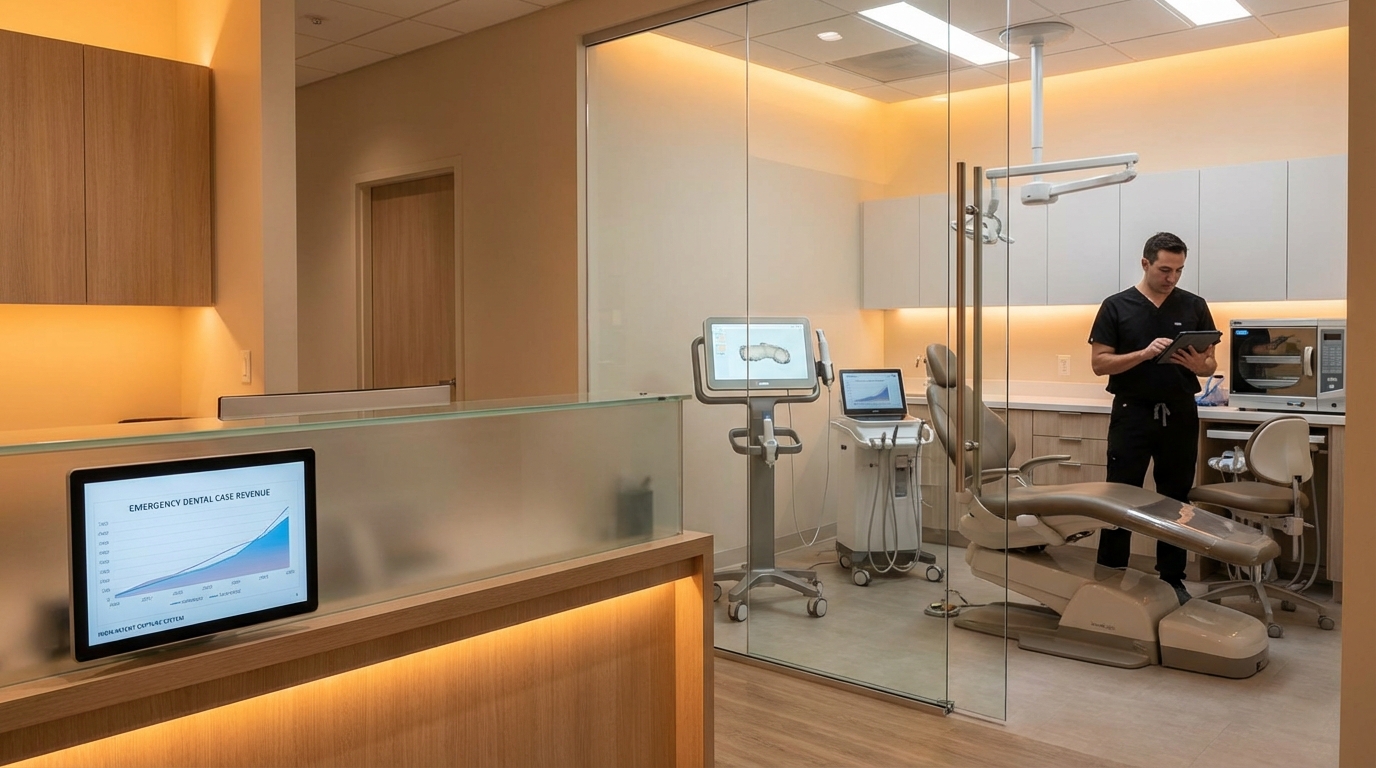
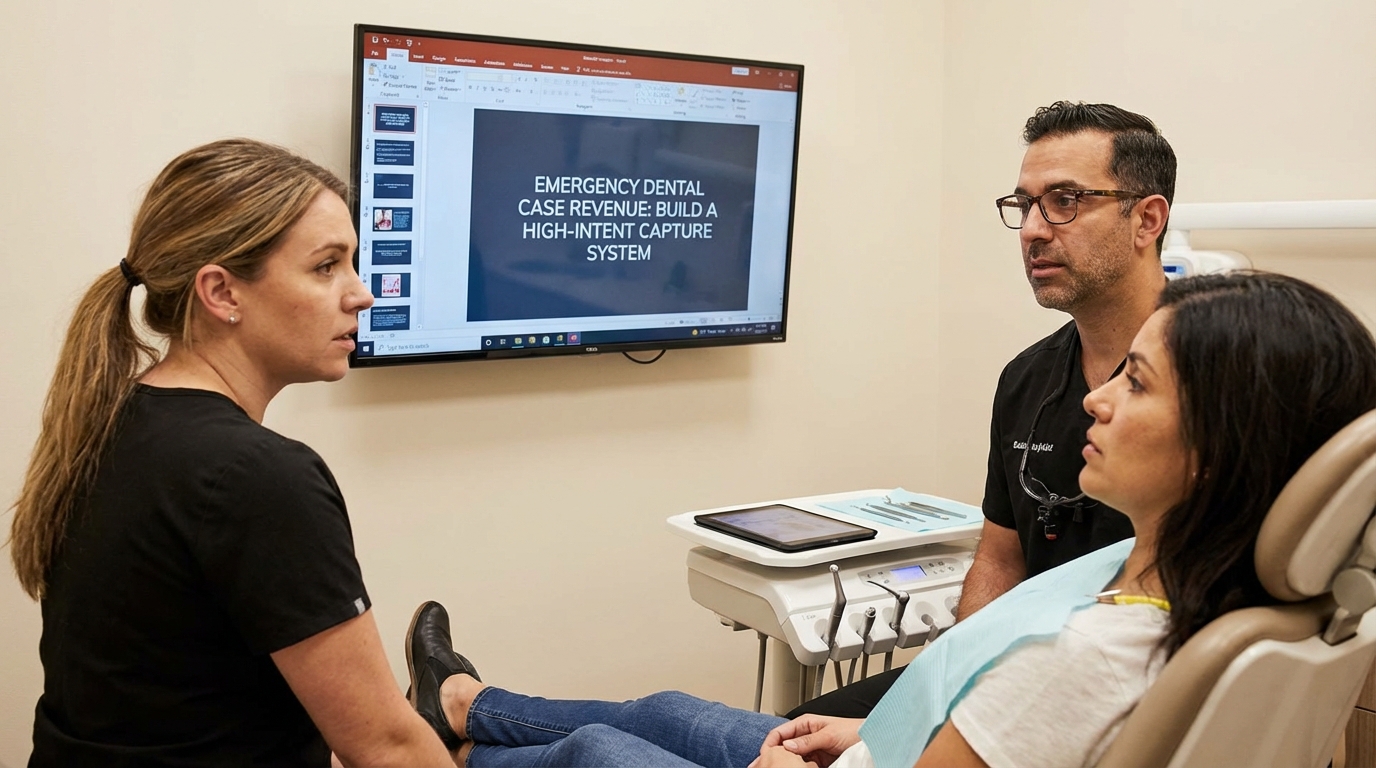
Emergency diligence is a revenue engine. When a patient calls with a toothache that can’t wait, they are at the most qualified moment to schedule a consult, book treatment, and become an anchor patient if you handle their need with calm, confident coordination. That means the practice’s intake workflow, clinical teams, and marketing all need to be aligned on the same capture system—one that treats every incoming emergency patient like a premium case and a potential long-term client.
This post walks through the capture system the highest-grossing private practices use: immediate triage, scheduled consults inside the same week, data-rich follow-up, and marketing that promotes the relief-first experience. Refer back to the emergency dental marketing playbook for full campaigns once the capture machine is humming. Now let’s build the operating rhythm that keeps those urgent calls in the revenue column.
Respond in minutes, triage with compassion, and own the lead
Emergency callers often drop off in the first 3 minutes if the phone rings into voicemail, which is why the ADA requires a responsive emergency plan—including an after-hours number, triage training, and contingency protocols—so that patients feel taken care of before the words “treatment plan” even show up in the consultation (ADA Emergency Treatment Guidelines).
Train the front desk to open a console that answers questions before the patient hangs up: “I can get you in this afternoon, can you describe the pain so I know whether the doctor needs to see an x-ray first?” That script gives staff confidence and keeps the patient anchored while the coordinators build a consult timeline. Document the triage answers in your CRM and flag them immediately for your intake coordinator so they can plan labs, imaging, and provider alignments before the patient arrives.
High-intent capture is a team sport: the scheduling assistant feeds the consult into the same dashboard as your implant marketing, so everyone knows this is not a routine checkup—it’s a case waiting to be closed with premium care.
Design a triage-to-consult pipeline that never drops an emergency case
After the first contact, move the patient through your intake pipeline in 30 minutes. Use the same structure you champion in the dental appointment setting service guide: confirm the time, collect insurance/financing touchpoints, and send a text with the consult checklist. Automate this handoff with a templated “Emergency Consult Checklist” that leaves nothing to memory.
Layer in multi-channel reminders: SMS right after booking, an email with directions, and a personalized voicemail from the doctor if the case is high-dollar. FollowApp’s research reminds us that friendly, personalized follow-up—not generic automation—drives the satisfaction gains that keep patients on your schedule. Their data suggests the right follow-up cadence boosts satisfaction up to 25% while reducing admin cost 5-10%, so avoid sending robotic, impersonal reminders that feel like spam (FollowApp Best Practices).
Finally, bake in backup plans. If the consult needs to shift because a doctor is out, move the patient to the next available high-value team member and communicate the change proactively. That way you keep the momentum; if the patient reschedules twice, the urgency vanishes and the lead is wasted.
Convert every follow-up into a fee-for-service conversation
Once the consult happens, the conversion battle extends beyond the chair. Use your dental implant case acceptance psychology system to frame the treatment not as a ticket price but as a confidence-building solution. Sentiment after an emergency visit often centers on relief, so follow-up outreach should mirror that tone: “Our primary concern is your comfort, and here is how the implant journey keeps you in control.”
According to PracticeNumbers, follow-up is where trust is built and patient retention is decided—the more personalized the messaging, the more likely patients are to follow the plan, which means every emergency consult can turn into a lifetime-value boost (PracticeNumbers Patient Follow-Up). Deploy individualized timelines (surgery, healing check, final restoration) with automated messages that mention the patient’s name, treatment, and next step. Put the care instructions and financial pairings in the same thread so they never hunt through past emails.
Coach the team with data. Capture the conversion rate for emergency consults, the average lead-to-treatment time, and the win rate by treatment type. Review recordings weekly and highlight when coordinators tied the pain relief story back to the financing path. This keeps the emergency workflow predictable and continues the momentum from the initial triage call.
Market the emergency revenue system so referral partners keep sending cases
Emergency care is also a referral product. Send your specialist partners the dental implant lead routing system summary so they understand how you handle urgent needs with urgency and empathy. When partners know you respond within minutes, schedule consults fast, and follow up with packs of case acceptance content, they refer more often.
Promote this system externally through monthly transparency reports or social proof narratives that highlight how the practice stabilized revenue during sudden demand spikes. Cite trust-building studies like GuidewayCare’s reminder that strategic follow-up builds retention by making patients feel cared for, not sold to (GuidewayCare Follow-Up Retention). Share a mini-case study on your website or LinkedIn about a week where emergency calls filled open blocks and the practice delivered a high-margin treatment plan by leaning on this capture system.
Use your blog and service pages to let new visitors know your emergency workflow is structured, not frenzied. Link your emergency landing pages to money pages like Dental SEO Services or Implant Financing so that referral traffic already sees the practice as a premium, reliable partner before they even call.
1. How fast should we contact an emergency caller?
Answer within minutes. The ADA emergency guidelines expect your staff to triage pain and confirm availability immediately; letting a call sit on voicemail loses the emotional moment when the patient is ready to commit to care.
2. What channels work best for emergency follow-up?
Use SMS for immediate confirmations, email for detailed checklists, and a phone call when the case is complex. Personalize every message with the patient’s name and treatment details so the communication feels human.
3. How do we keep track of multiple emergency consults?
Track every case in your CRM with tags like “urgent consult,” “trauma,” or “post-op.” Update the conversion dashboard weekly so coordinators can see which scripts are working and where patients stall.
4. Should we offer emergency financing options?
Yes. Pair the intake scripts you already use for implants with emergency-friendly tiers—short-term plans for simple fixes, extended financing for full-mouth rehab. Refer back to your implant financing playbook to keep messaging consistent.
5. How do we share this system with referral partners?
Create a one-pager that outlines your emergency intake timeline, follow-up cadence, and conversion support. Send it to specialists, oral surgeons, and concierge practices so they know the patient is safe in your hands from call to final restoration.