Introduction
You're running ads. Leads are coming in. Consultations are booked. And then… silence. The patient walks out saying "I need to think about it" and you never hear from them again.
This is the silent revenue leak in most dental practices — not the marketing, not the traffic, not even the fees. It's what happens (or doesn't happen) inside the consultation room.
The average dental implant consultation conversion rate hovers between 20–35%. Practices using structured close systems, trained treatment coordinators, and automated follow-up regularly hit 55–70%. On a $4,500 average case value, that gap is enormous. Ten more closed cases per month is $45,000 in additional revenue — from the same lead volume.
If you're spending money on Google Ads or SEO to drive implant consultations, every unconverted consultation is compounding your cost-per-acquisition. Fixing your close rate is the fastest ROI you can generate without spending another dollar on marketing.
This guide covers the exact levers top-performing practices pull to close more implant cases.
Why Dental Implant Consultations Fall Apart
The "Information Dump" Problem
Most dentists are trained to educate, not sell. That's a virtue in clinical settings — but it backfires in consultations. When a patient is walked through the entire clinical process (bone grafting, healing timelines, osseointegration, crown placement) before they've emotionally decided they want the outcome, you've given them 10 reasons to delay.
Patients don't buy procedures. They buy the ability to chew comfortably, smile without embarrassment, and stop worrying about their teeth. Lead with the outcome, not the process.
The Price Shock Moment
Presenting a $4,500–$6,000 (or higher) treatment plan without context is a conversion killer. When price is introduced before the patient is emotionally bought in — or before financing is framed clearly — sticker shock ends the conversation.
Top-converting practices flip the sequence: outcome first, emotional buy-in second, clinical overview third, monthly payment option fourth. The full fee is almost an afterthought once the patient has already mentally committed.
No Follow-Up System
Studies consistently show that 50–80% of purchases require 5+ touchpoints. Most dental practices follow up once — maybe twice — and then let the lead go cold. A patient who says "I need to think about it" is not a lost case. They're a pending case waiting for the right nudge at the right time.
Without an automated follow-up sequence, those pending cases evaporate. With one, they convert at a meaningful rate weeks or even months later.
The 4-Part Consultation Framework That Converts
Part 1: The Discovery Phase (First 10 Minutes)
Before showing a single X-ray or mentioning a procedure name, conduct a structured discovery. Ask:
- "What's been going on with this tooth/teeth, and how long has it been an issue?"
- "On a scale of 1–10, how much is this affecting your daily life — eating, confidence, anything like that?"
- "What's your ideal outcome? If we could wave a magic wand, what does life look like after this is resolved?"
These questions accomplish two things: they surface the patient's emotional pain points, and they give you language to use later in the consultation. When you present the treatment plan, you can say, "Remember how you said you want to feel confident smiling at your daughter's wedding? This is how we get you there."
This is not manipulation — it's relevance. People buy when they see a direct connection between the solution and their specific situation.
Part 2: Clinical Overview — Brief and Visual
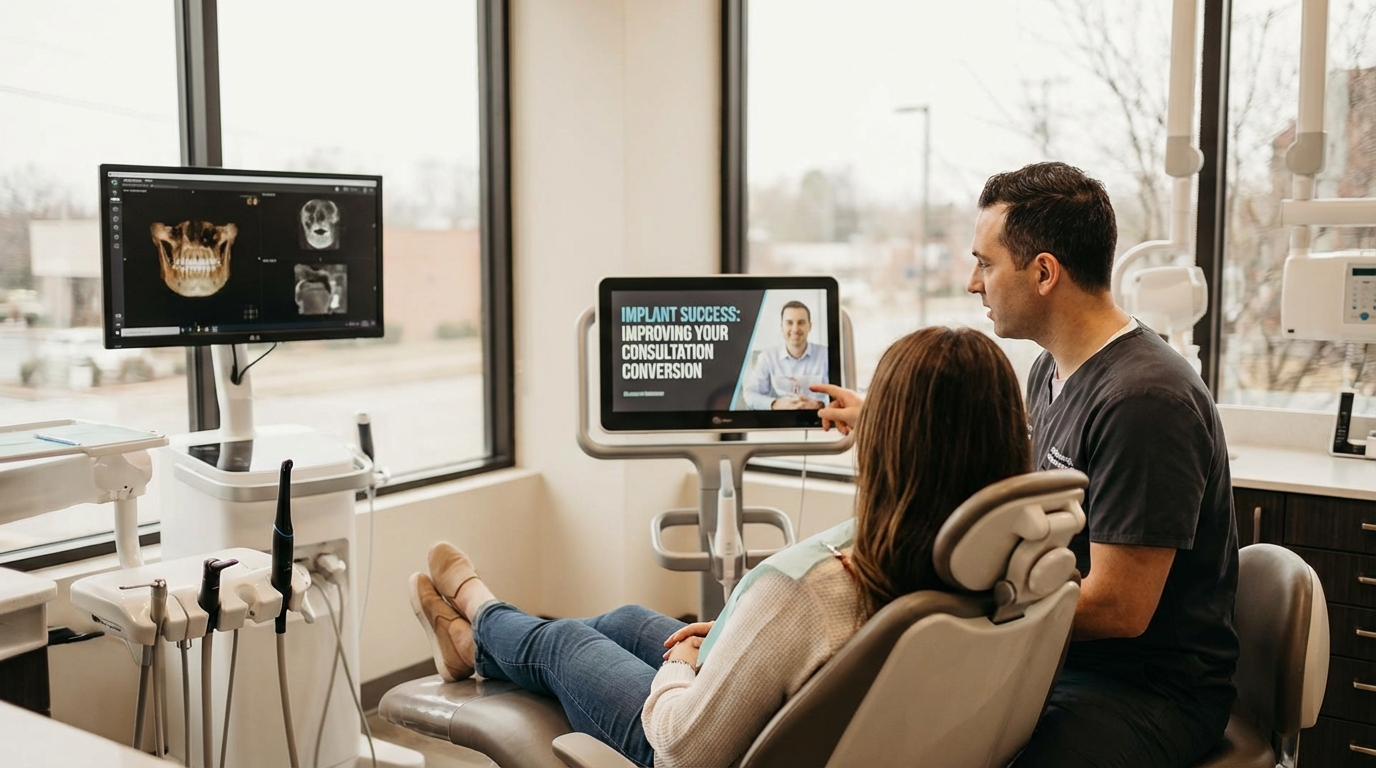
Once you've established emotional buy-in, walk through the clinical process — but keep it high-level and visual. Use a 3D animation tool (like DentalMind or Yapi) to show the implant process in 60 seconds. Patients retain visual information far better than verbal explanations.
Focus on what they'll experience, not what you'll do. "You'll have a short healing phase, and then we place the crown — most patients are back to normal within a few days after each step" lands better than a clinical description of osseointegration.
Keep this section to 5–7 minutes maximum. You want time in the budget for the financial conversation.
Part 3: The Financial Presentation
This is where most practices leave money on the table.
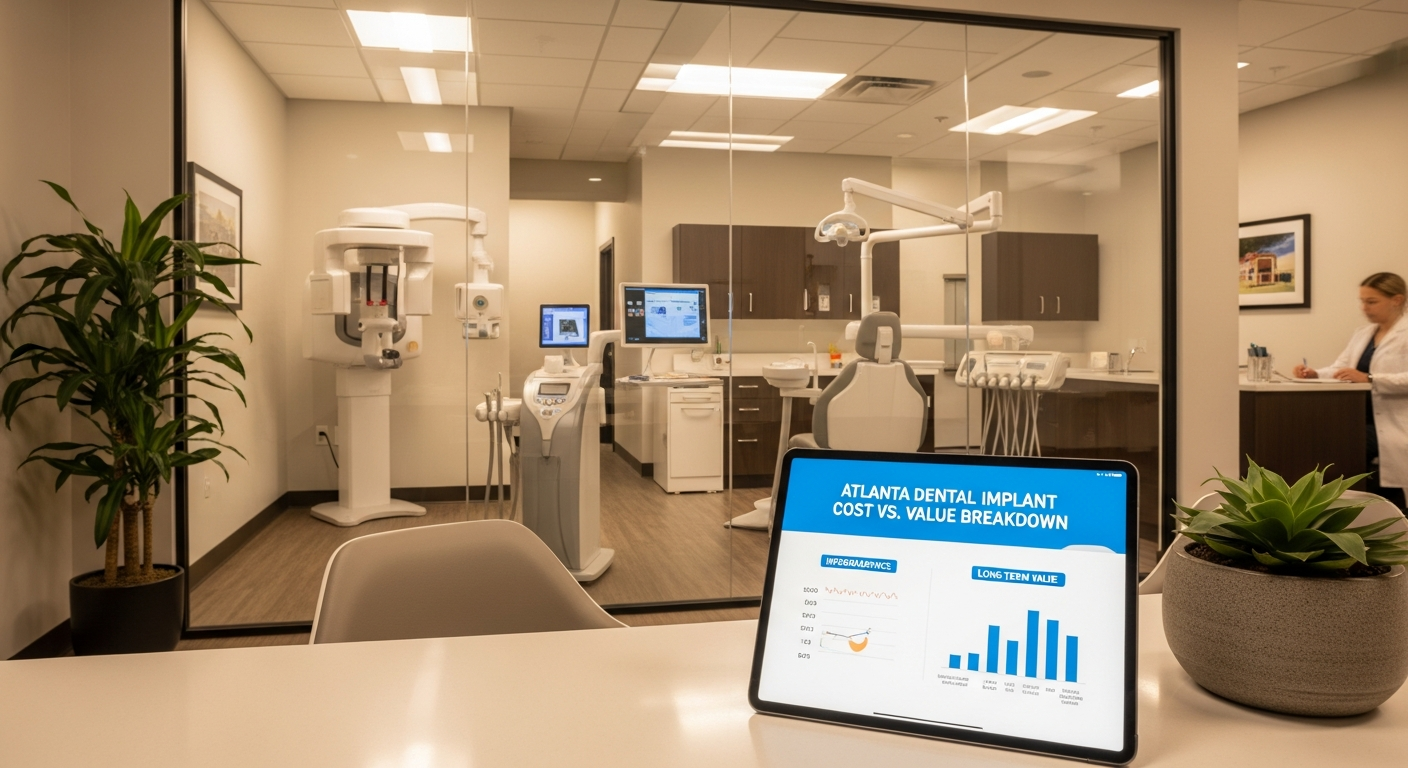
Lead with monthly payments, not total fees. Present the investment as: "Most patients in a similar situation invest around $X per month — less than a daily coffee — to get this resolved permanently." Then present the full fee as context.
Use a financing first, fee second script:
- "We work with CareCredit and Lending Club, which means for most patients, this becomes very manageable monthly. Would you like me to show you what your payment options look like?"
- Run the numbers in the room. Show the amortization. Let them see $150/month on screen before they see $4,800.
Pre-qualify before you present fees. Your front desk or treatment coordinator should have a brief financial conversation before the patient even sees the doctor — confirming their general budget range and introducing financing as a standard option. This removes the price shock entirely.
For a deeper dive on financial presentation, see our post on how to increase dental case acceptance rate.
External resource: CareCredit's provider training resources cover patient financing presentation best practices in detail.
Part 4: The Close and the Objection Plan
Don't leave the close to chance. At the end of every consultation, your treatment coordinator should have a scripted close:
- "Based on everything we've talked about, does this feel like the right direction for you?"
- If yes → schedule the next appointment before they leave. "Let's go ahead and get you on the calendar so we can hold your spot."
- If hesitant → use the "pending close": "Totally understand — what would make you feel more comfortable moving forward? Is it timing, the investment, or something else?"
The pending close surfaces the real objection. Now you can address it instead of chasing a ghost.
Common objections and responses:
- "I need to talk to my spouse" → "Absolutely — would it help if we scheduled a quick call with both of you so I can answer any questions? A lot of couples find that easier than trying to relay all the details."
- "I need to think about it" → "Of course. Can I ask — is there a specific concern I can help address before you go?"
- "It's too expensive" → "I hear you. Let me show you the monthly option again — most patients find it more comfortable when they see the monthly number."
The Follow-Up System That Recovers Lost Cases
The 90-Day Follow-Up Sequence
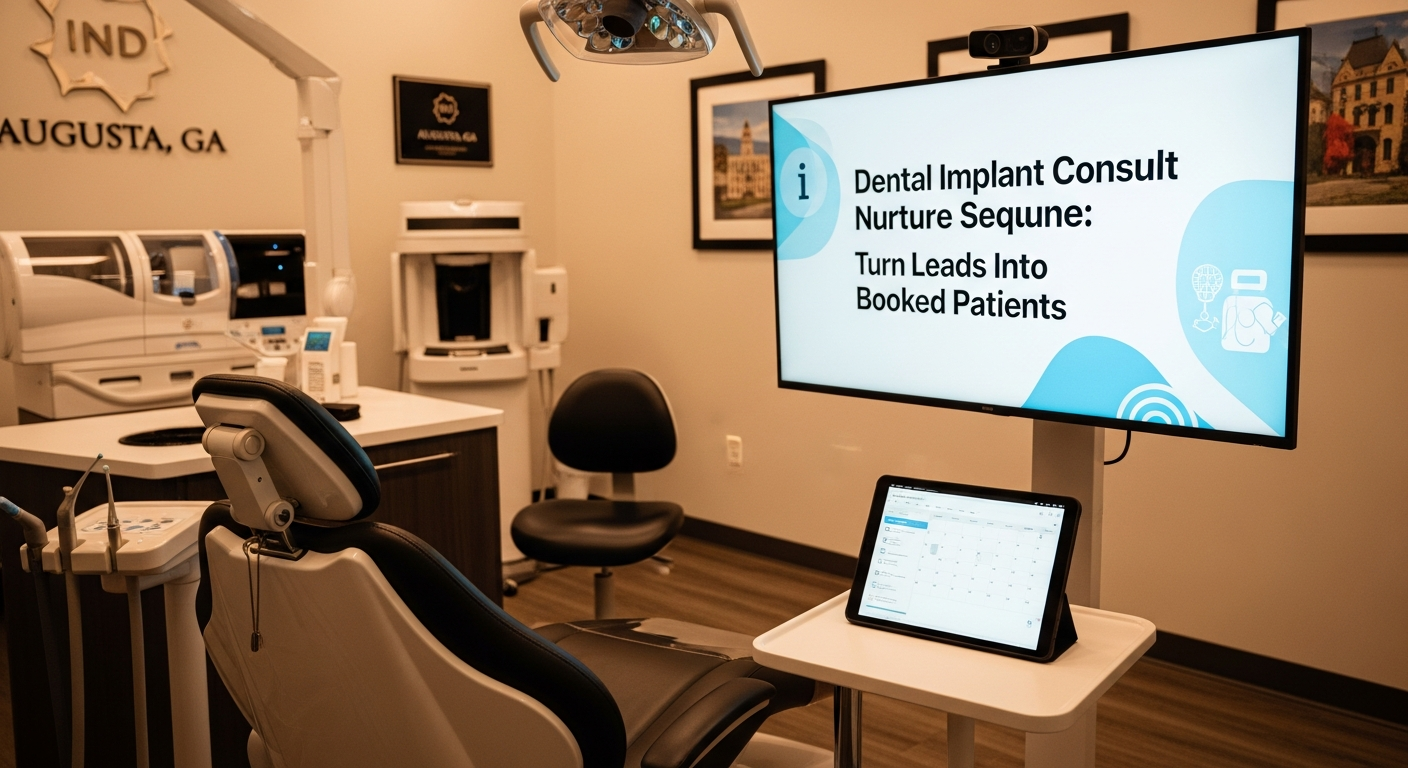
Every patient who doesn't schedule at the consultation should enter an automated follow-up sequence. Here's a proven structure:
Day 1 (same day): Personalized text from the treatment coordinator — "Great meeting you today, [Name]. I'm attaching your treatment summary and a link to our financing options. Let me know if you have any questions!"
Day 3: Email with a patient story or before/after content. "Here's what one of our patients said after completing the same treatment you and Dr. [X] discussed…"
Day 7: Text check-in — "Hi [Name], just wanted to see if you had any questions since your visit. We're happy to schedule a quick call if that would help."
Day 14: Email with FAQ content addressing common objections (financing, timeline, pain).
Day 30: "We're still holding a spot for you" outreach — light urgency, no pressure.
Day 60 and Day 90: Monthly nurture email with educational content or a special financing offer.
This sequence alone recovers 10–20% of consultations that initially said no. At $4,500+ per case, that's significant revenue from contacts you'd otherwise have written off.
Tools to Automate This
- Weave or Birdeye: Text and email automation with dental-specific templates
- NexHealth: Two-way texting, automated reminders, online scheduling
- GoHighLevel: Full CRM with pipeline view, email/SMS sequences, and task reminders for your TC
At Closing More Cases, we build these sequences for dental practices and connect them directly to your consultation pipeline. You get a real-time view of every pending case and where it stands.
Treatment Coordinator Training: The Hidden Variable
Your treatment coordinator (TC) is your highest-leverage hire. A well-trained TC can move your close rate from 25% to 55% without changing a single thing about your marketing or clinical work.
What separates elite TCs:
1. They own the financial conversation. They don't hand it to the doctor or leave it to the patient to ask. They proactively introduce financing, present monthly options first, and guide the patient through the application in the room.
2. They follow a structured consultation flow. Not winging it — running a repeatable process that's been tested and refined. This includes a pre-consultation intake that surfaces budget range and urgency before the patient sees the doctor.
3. They track their numbers. Close rate by lead source, by treatment type, by week. A TC who knows their numbers can identify what's working and what isn't. A TC who doesn't is flying blind.
4. They have a call script for follow-up. Not improvising on callbacks — using language that's been tested to reopen conversations without pressure.
If you're the dentist and you're also handling the financial conversation, you're leaving conversion rate on the table. That's the most common growth constraint we see in practices under $2M.
Internal resource: See our guide on how to get more dental implant patients for the demand generation side of the equation.
External resource: Dental Intel's benchmarking data shows average case acceptance rates by practice size and specialty — useful for calibrating your targets.
Tracking Your Consultation Conversion Rate
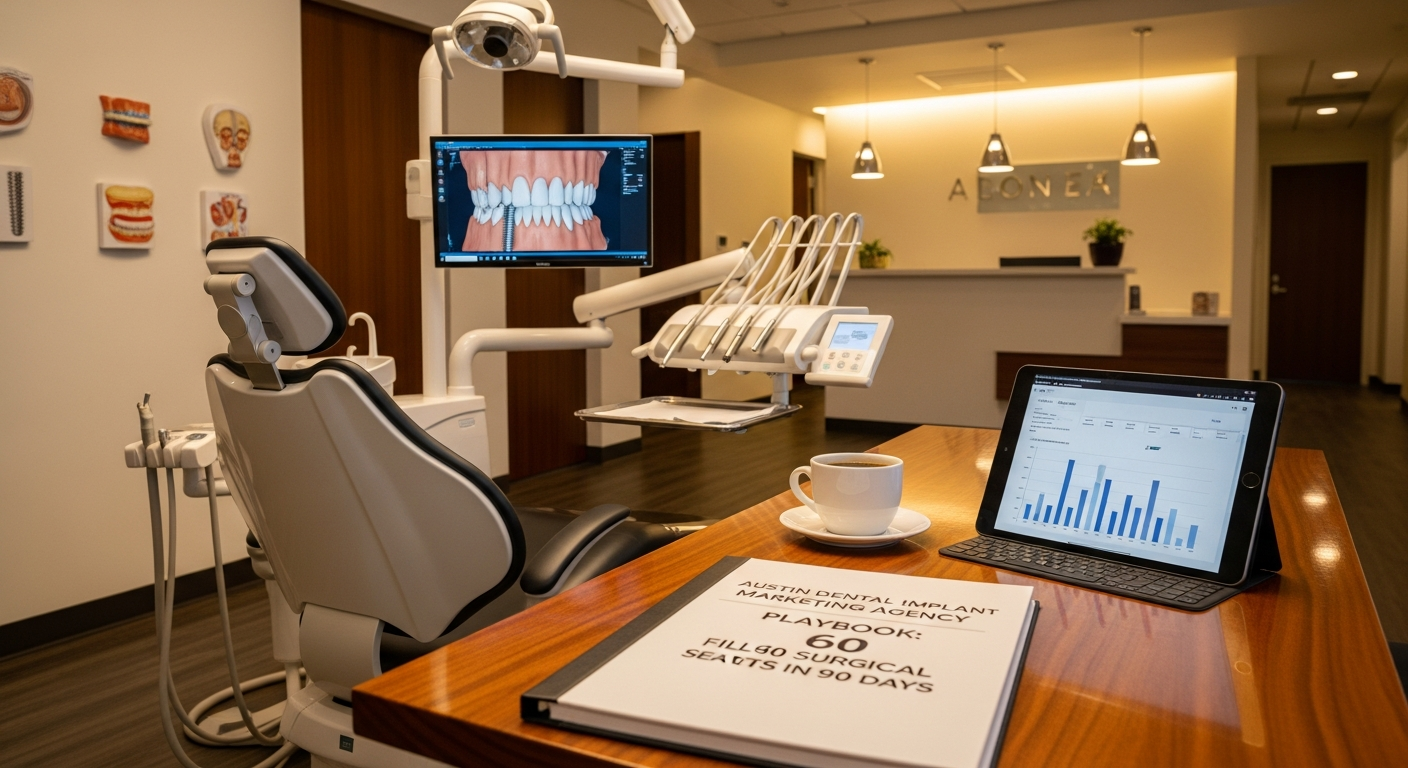
You can't improve what you don't measure. At minimum, track:
- Consultations scheduled per month
- Consultations completed (showed)
- Cases closed at consultation
- Cases closed within 30/60/90 days post-consultation
- Revenue per completed consultation
Your true close rate should include the 30/60/90-day recoveries — not just same-day closes. Most practices undercount their conversion because they only track what closes in the room.
A practice doing 20 implant consultations per month, closing 7 in-room and recovering 3 over the next 90 days, has a 50% close rate — not 35%. Knowing your real number changes how you prioritize improvement.
What is a good dental implant consultation conversion rate?
Industry average is 20–35%. High-performing practices with trained treatment coordinators and structured follow-up systems achieve 50–70%. If you're below 40%, there's significant room to improve without changing your lead volume.
How do I handle patients who say they need to think about it?
Use a pending close: ask what specific concern is holding them back. Then address that concern directly. Most "I need to think about it" responses are a proxy for an unspoken objection — usually price, fear, or spouse approval. Surface the real objection and you can address it.
Should I present the monthly payment or the total fee first?
Always lead with monthly payments. Most patients mentally budget in monthly terms. Presenting $4,800 upfront triggers sticker shock; presenting $149/month frames the same investment as manageable. Once they're emotionally comfortable, showing the full fee in context is no longer a barrier.
How long should a dental implant consultation take?
Optimal is 45–60 minutes. Less than 30 minutes doesn't leave enough time for discovery and financial conversation. More than 75 minutes often signals the patient is in information overload. Structure your agenda in advance so you stay on track.
How many follow-up touches should I do after a consultation?
At minimum, 5–7 touchpoints over 90 days. Most practices do 1–2 and give up. Research shows 50–80% of conversions happen after the 5th contact. An automated sequence ensures no lead falls through the cracks.
Does this apply to other high-value treatments, not just implants?
Yes. The same framework applies to full-arch cases, veneers, Invisalign, and any treatment over $2,000. The core principles — discovery first, outcome-focused framing, financing lead, structured follow-up — are universal to high-ticket dental sales.
Ready to Close More Implant Cases?
If your consultation conversion rate is below 50% and you're running any volume of paid traffic or SEO, you're burning marketing budget on leads you're not closing.
Closing More Cases builds the systems — treatment coordinator training, financial presentation frameworks, automated follow-up sequences, and CRM pipelines — that move the needle on your close rate without adding headcount or ad spend.
👉 Book a free strategy call to see exactly where your practice is losing cases and what it would take to fix it.