Why Most Dental Practices Struggle to Close Implant Cases
Dental implants are the highest-value procedure most general practices and oral surgery offices offer. A single implant case can generate $3,000–$6,000. A full arch case can top $25,000–$50,000. Yet the average practice closes fewer than 30% of implant consultations.
That's not a clinical problem — it's a sales problem.
Patients come in interested. They sit through the exam, the X-rays, the case presentation. Then they say, "Let me think about it," or "I need to check with my spouse," and disappear. You follow up once or twice, and then they're gone.
Here's the truth: patients aren't walking out because of cost alone. They're walking out because they didn't feel confident, clear, or compelled. The case wasn't sold.
The good news? Case acceptance is a learnable system. The practices consistently closing 60–75% of implant consults aren't doing magic — they're following a structured process. This post breaks that process down step by step.
The Pre-Consultation Setup That Changes Everything
Build the Frame Before the Patient Arrives
The consultation begins before the patient walks in the door. How you handle the initial inquiry call, what you send before the appointment, and how the front desk greets them all prime the patient for yes or no.
The intake call matters more than most practices realize. When a patient calls about implants, your front desk shouldn't just book them and hang up. They should qualify, educate, and set expectations. A 3-minute intake call that covers:
- Why the patient needs the implant (single tooth, multiple, full arch)
- Whether they've had a consultation elsewhere
- What their biggest question or concern is
…creates a warm, pre-sold patient who shows up with intent.
Send a pre-consultation packet. Email or text the patient a short overview before their appointment. Include:
- What to expect during the consultation
- A brief explainer on why dental implants are the gold standard
- A short patient success story or testimonial
- What financing options are available
This does two things: it educates the patient before they're sitting in the chair (making your job easier), and it signals that your practice is different — more organized, more professional, more trustworthy.
How to Get More Dental Implant Patients
External resource: American Academy of Implant Dentistry — Patient FAQs
The Consultation Framework That Converts
Stop Presenting, Start Diagnosing
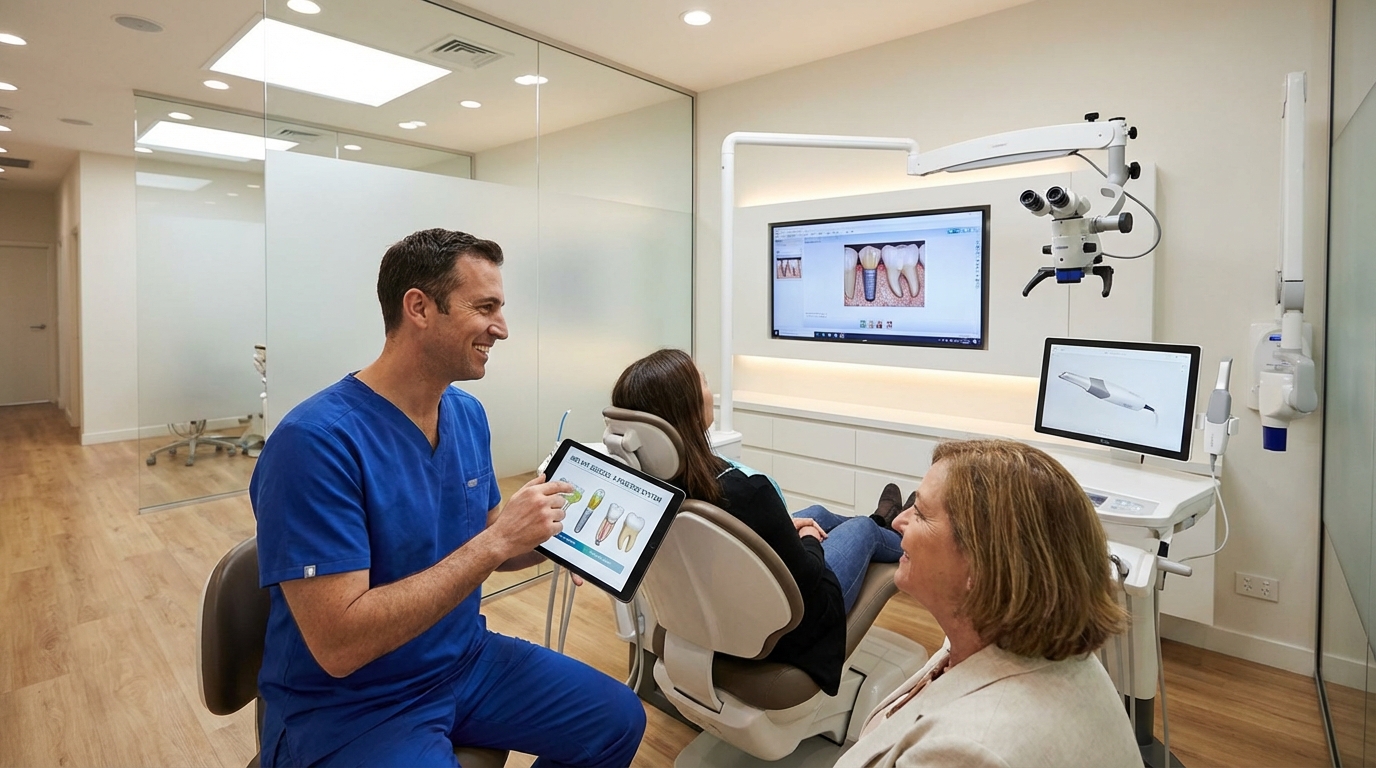
Most implant consultations fail because the dentist leads with information instead of questions. You walk in, show them the X-ray, explain the procedure, quote the price, and wait. The patient nods politely and asks for time to think.
The practices with high case acceptance flip the script. They spend the first half of the consultation asking, not telling.
The 5-question diagnostic framework:
- "How long has this tooth been missing (or how long have you been dealing with this)?"
- "How has it affected your day-to-day — eating, confidence, anything like that?"
- "Have you explored options before, and what held you back?"
- "If cost wasn't a factor, is this something you'd want to move forward with?"
- "What would need to be true today for you to feel confident moving forward?"
These questions do three things:
- Surface the patient's emotional motivation (pain, embarrassment, function)
- Uncover objections before you get to the close
- Get the patient to verbalize their own desire — which makes your case presentation land 10x harder
Then present to their answers. Don't pitch the procedure generically. Connect every clinical benefit you present back to what they told you mattered. "You mentioned chewing has been a problem — implants restore up to 90% of natural biting force, which means you can eat whatever you want again."
External resource: Academy of Dental Management Consultants — resources on consultation frameworks and case acceptance training
Handling the 3 Most Common Implant Objections
"I Need to Think About It" Is Not a Real Objection
When a patient says they need to think about it, what they're usually saying is: "I'm not convinced yet, and I don't know how to say no." Your job isn't to push them — it's to find out what's actually in the way.
Objection 1: "It's too expensive."
This is the most common and the most mishandled. Most practices either apologize for the price or immediately jump to financing. Both are mistakes.
Instead, acknowledge and redirect: "I totally understand — it's a significant investment. Can I ask, is it the monthly payment that feels like a stretch, or is it the total number that's the concern?"
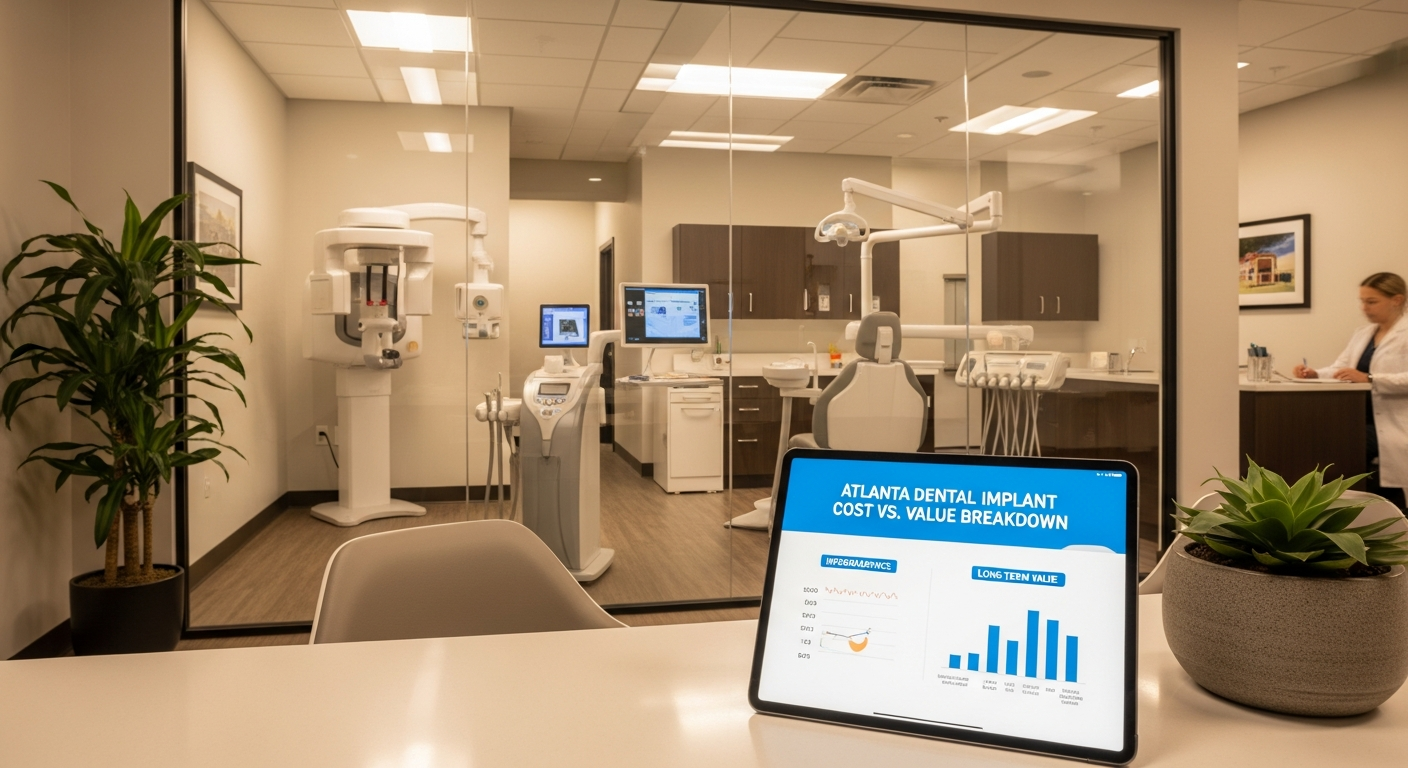
Their answer tells you exactly where to go next. If it's monthly payment → financing. If it's total cost → value stack and ROI framing ("Compare that to a bridge that may need replacement in 10–15 years, or the ongoing cost of denture adhesive…"). If it's something else entirely — great, now you know.
Objection 2: "I want to wait."
Waiting has a cost — and most patients don't know it. Bone loss accelerates after tooth loss. Adjacent teeth shift. The case becomes more complex and more expensive over time.
Present this clinically and matter-of-factly, not as a scare tactic: "Totally your call, and I respect that. One thing I'd want you to know — when a tooth is missing, the bone underneath starts to shrink over time. If we wait 12–18 months, we may need a bone graft, which adds cost and healing time. So sooner does tend to work in your favor."
Objection 3: "I need to talk to my spouse."
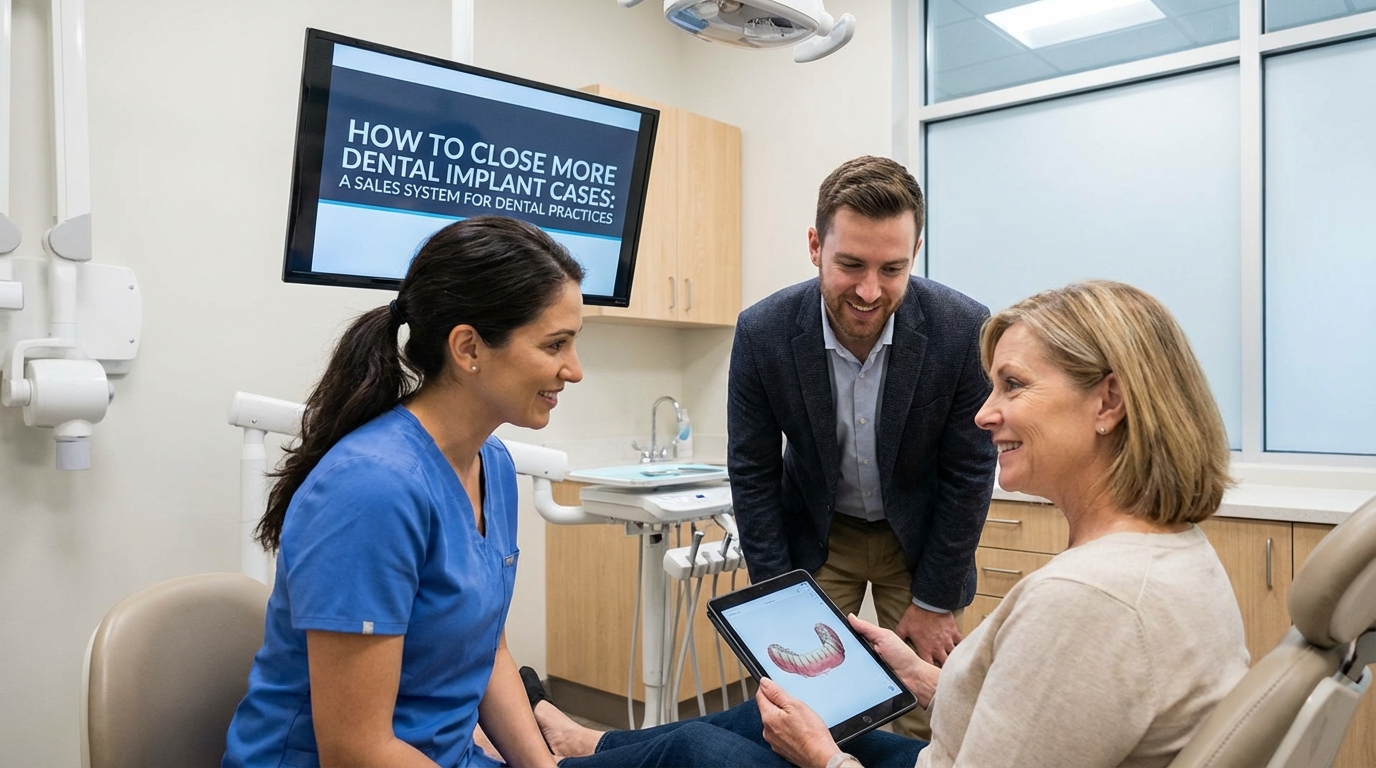
Respect this completely — but don't let it end the conversation. "Absolutely, that makes sense. Do you have any questions I can help you answer so you can explain it to them? And would it help to have a written summary of the treatment plan and cost to share?" Then offer a follow-up call at a time when the spouse can join.
How to Increase Your Dental Case Acceptance Rate
The Follow-Up Sequence That Recovers Lost Cases
Most Practices Follow Up Once. The Best Follow Up Five Times.
Research consistently shows that most sales require 5+ touches before a decision is made. Most dental practices follow up once (maybe twice), then give up. That's leaving a massive amount of revenue on the table.
Build a structured follow-up sequence for every unconverted implant consultation:
Day 1 (same day as consult): Personalized email/text recap with their specific treatment plan, total cost, monthly payment estimate, and a soft next step. "Attached is a summary of what we discussed today. I'd love to answer any questions — feel free to reply or call us anytime."
Day 3: A soft value-add touchpoint. "Thought you might find this helpful — here's a short video from one of our patients who had the same concerns you mentioned." Or send a relevant FAQ.
Day 7: Direct outreach from the treatment coordinator. "Hi [Name], just wanted to check in and see if you had any questions after thinking it over. We have a few openings in [month] and wanted to make sure you're taken care of before they fill up."
Day 14: Final follow-up with a gentle urgency cue. Mention scheduling availability, a financing deadline, or a relevant clinical note.
Day 30: One last check-in. "We haven't heard from you and want to make sure you have what you need. If the timing isn't right, no pressure at all — but we're here whenever you're ready."
This sequence — when paired with a CRM or practice management tool that automates the sends — recovers 15–25% of consultations that would otherwise go cold.
External resource: Dental Intelligence — Case Acceptance Benchmarking
Q: What's a good dental implant case acceptance rate?
A: Industry average is 25–35%. Top-performing practices hit 60–75%. If you're below 40%, your consultation process likely has structural gaps — not just pricing issues.
Q: How do I handle patients who've been quoted cheaper prices elsewhere?
A: Don't compete on price — compete on confidence. Ask what was included in the other quote (bone graft? abutment? crown?). Educate on what your process includes and why your outcomes data, clinical experience, or warranty terms justify the investment. Patients who choose on price alone are often the hardest to keep long-term.
Q: Should I offer same-day implant placement to increase case acceptance?
A: Same-day options can reduce the friction of multi-appointment processes and increase conversion for certain patients. If you offer it, make sure it's part of your consultation narrative — it addresses the "I need to think about it" objection by shortening the decision cycle.
Q: How important is financing to closing implant cases?
A: Extremely. Studies show that presenting a monthly payment option (via CareCredit, Sunbit, or in-house payment plans) increases case acceptance by 30–40%. The key is presenting financing proactively — not as a fallback after the patient balks — as part of your standard case presentation.
Q: How do I train my front desk and treatment coordinators to close better?
A: Role-play objection handling weekly. Record consultations (with consent) for review. Create a standard consultation script and objection response playbook. The best practices treat case acceptance training as an ongoing system — not a one-time thing.
Q: When should I involve a dental marketing agency?
A: When your implant consultation volume is healthy but your close rate is stuck, the problem is internal process. When your consultation volume is low, that's a marketing problem. Many practices need both fixed simultaneously to hit revenue targets.
Ready to Build a System That Actually Closes Cases?
If your practice is generating implant leads but losing them at the consultation, the fix isn't more ads — it's a tighter sales process. At Closing More Cases, we help dental practices build the systems to close more of the cases they're already seeing.
👉 Book a free strategy call and let's audit your consultation process together.
Or if you want to start with your online presence: 👉 Book a free website audit