Introduction
The implant consult is the highest-stakes conversation a practice can have. The lead is warm, the treatment plan is premium, and the patient often has a strong intent signal—yet too many consults still fizzle because follow-up is manual, financing feels vague, and nobody tracks the real drag points. Instead of hiring another coordinator or adding evening hours, you can win more of these consults by building a consult-to-deposit system that is automated, accountable, and obsessed with value.
In this post you will get four practical sections that walk through: mapping the consult journey, automating education + financing, synchronizing marketing with your operations, and measuring the ROI loop. Along the way you get internal references to pricing conversations and CRM playbooks that already live in the CMC library. After the summary we wrap with a FAQ that answers the tough objections and ends with the strategy-call CTA you can use on the next leadership agenda.
Plot the consult-to-deposit path before the patient leaves the chair
Map every touchpoint that happens between the lead magnet and the deposit
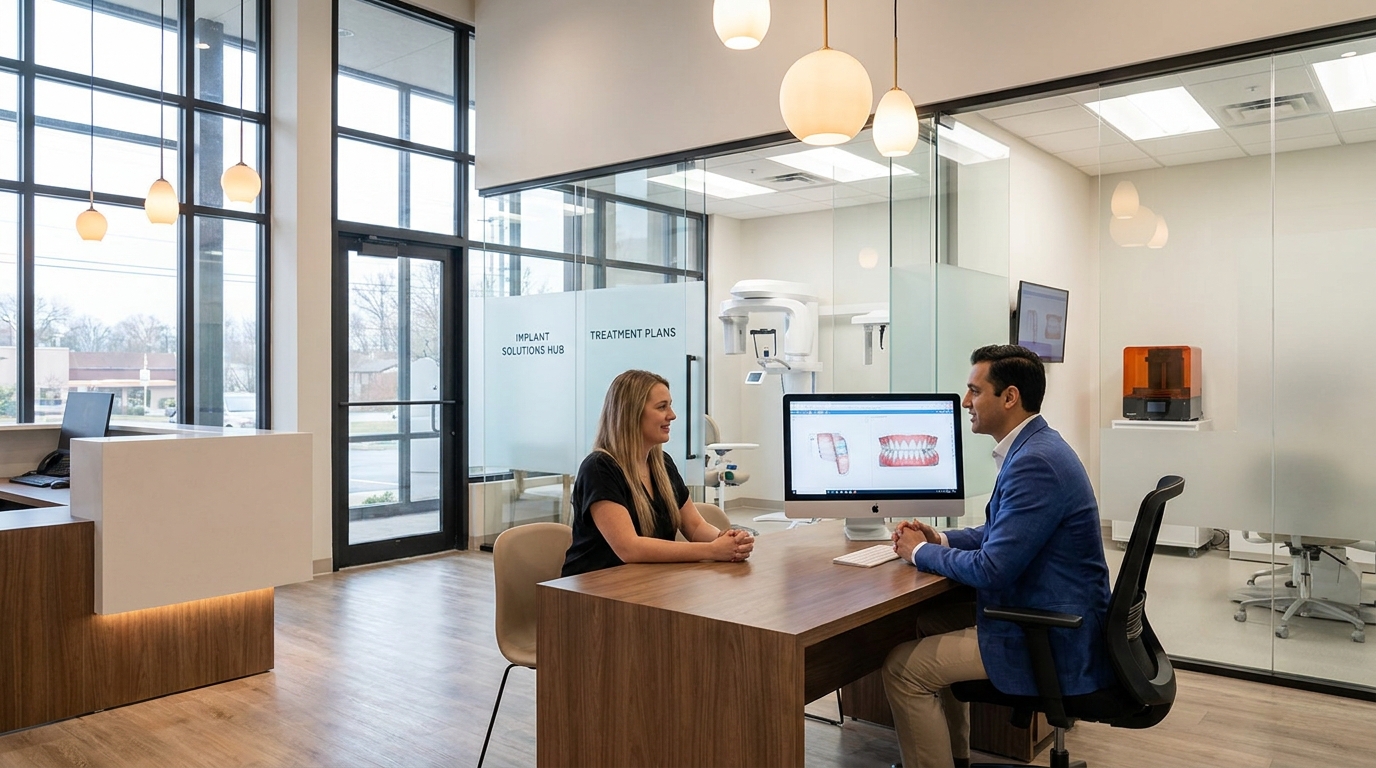
Most conversations about consult conversion start with “let’s hire another coordinator,” and stop right there. Instead, begin with a five-metric audit of every high-intent consult: call-to-book lag, consult no-show %, days between consult and treatment presentation, financing/no-financing conversations, and consult-to-deposit rate for implant/full-arch cases. If consults are not turning into deposits at least 40% of the time, you already have a systemic leak.
Pair those metrics with the mindset guidance from the Dental Practice Pricing Strategy Money Conversation so front-desk, ops, and providers all speak about value in dollars and outcomes—not just “we’ll call you next week.” When the pricing conversation is grounded in results, it becomes professional and persuasive rather than apologetic.
Use data, not gut, to justify process shifts
When you walk into a Monday leadership huddle and say “we’re losing consults,” push it to the table with evidence. Pull historical consult records, tag each one with the automation touchpoints it saw (emails, texts, videos), and show the comparative conversion lift. This is a finance-friendly conversation because the numbers already paint the picture; you’re not asking for more staff, you’re fixing revenue friction. Lean on the American Dental Association’s research library (https://www.ada.org/resources/research/science-and-research-institute) about why implant teams who measure conversion outperform their peers and you turn “feels hard” into “we have a playbook.”
Automate education, social proof, and financing clarity
Build a three-touch education + proof sequence that keeps consults moving
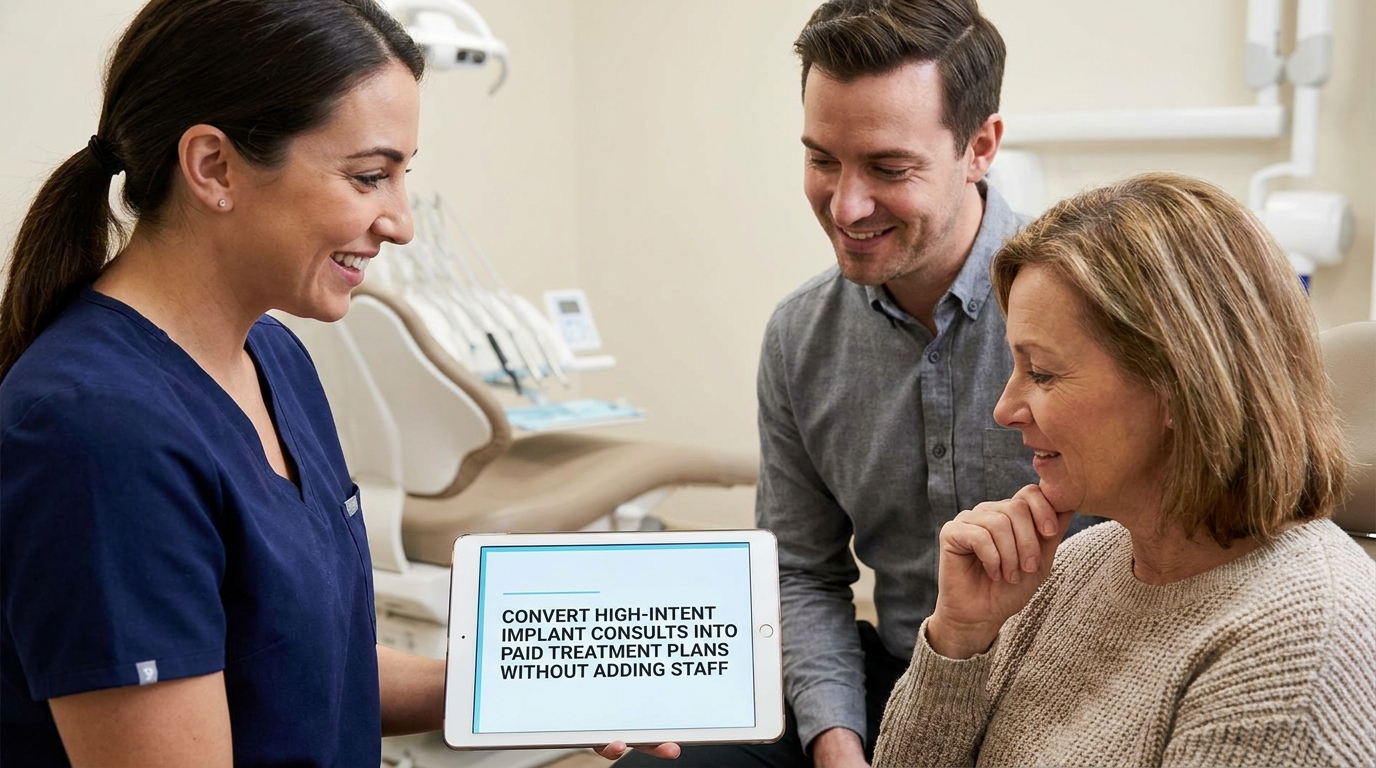
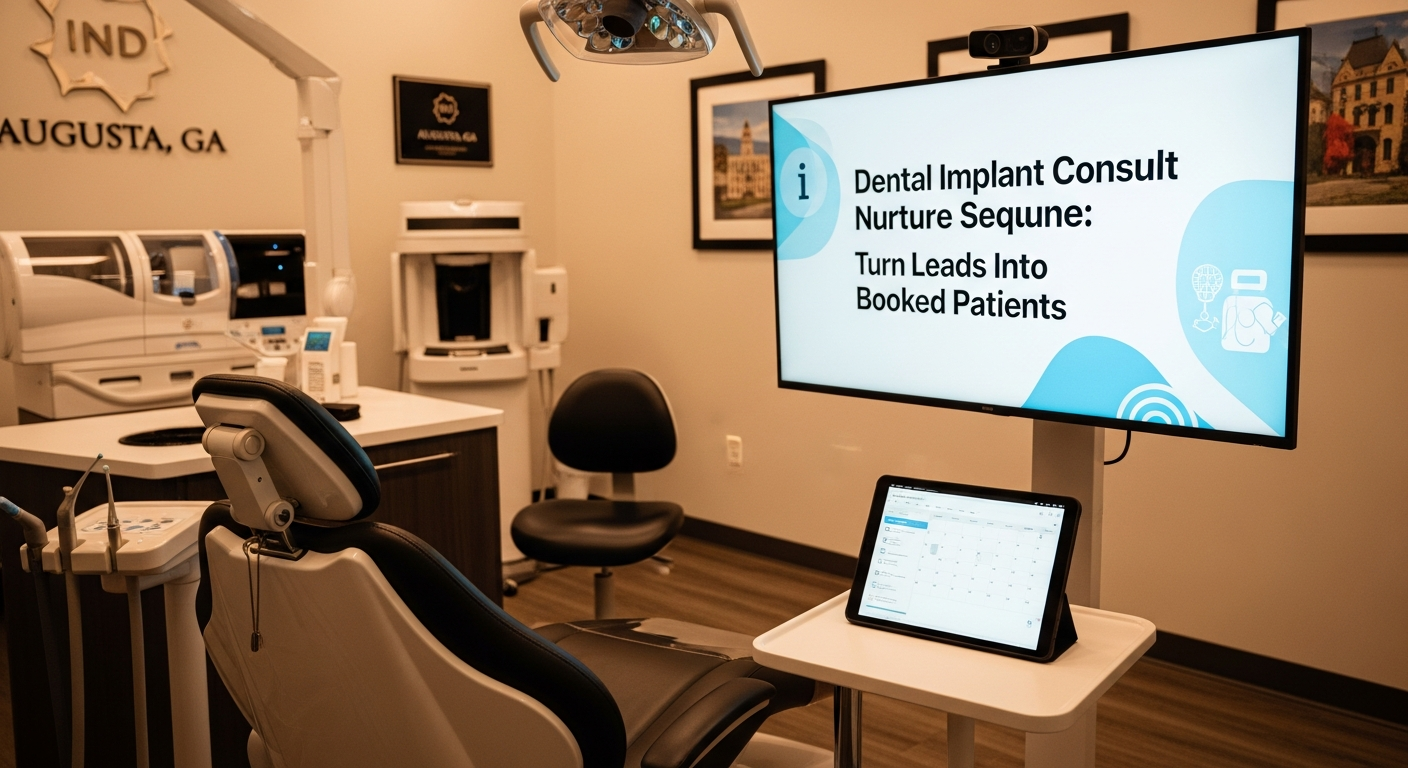
High-intent patients want education but they hate overwhelm. Automate a curated sequence that lands the moment the consult ends: (1) a consult recap email with the treatment plan summary, comparative before/after examples, and a clear pricing range, (2) a three-day text that links to a short video demo or testimonial, and (3) a seven-day follow-up that answers the top financing objections. Link that automation track to your Dental Implant Consultation Scripts That Close so every coach and team member knows which assets support each stage.
Within those touches, sprinkle two kinds of proof: procedural confidence (case studies, surgeon bios, proof of safety) and financial transparency (monthly payment tables). Use the BrightLocal Local Consumer Review Survey to remind patients they are more likely to pick a practice that displays reviews and detailed outcomes. Automation ensures each consult sees the right story at the right cadence without anyone doing manual follow-up.
Automate financing clarity so no one leaves confused
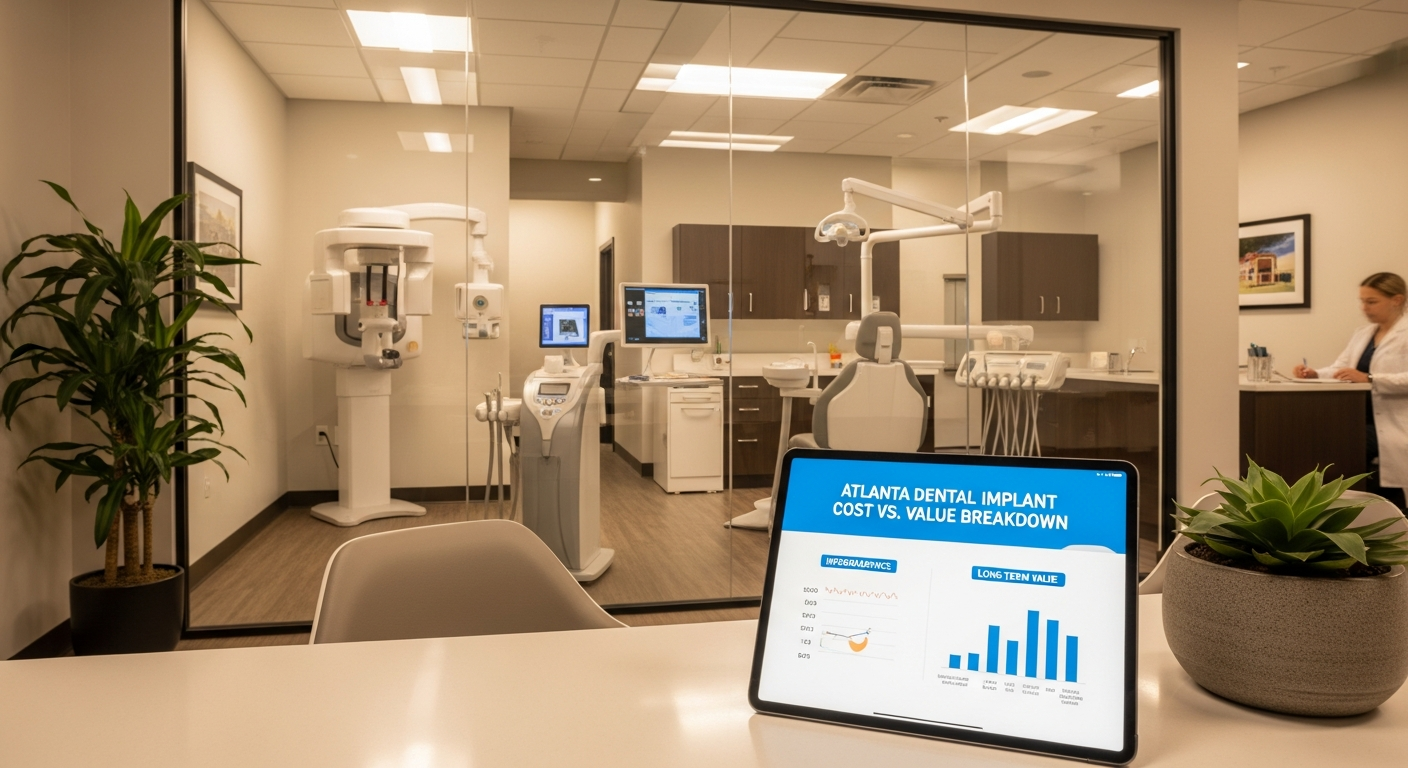
Nothing kills high-value conversion faster than a financing conversation that ends with “we’ll circle back.” Build a finance transparency template that auto-populates estimated monthly payments for the exact treatment plan, attach it to the second email in your sequence, and push it via text within hours of the consult. If you already use the Dental Implant Financing Automation Playbook (or the service page), standardize which options go out to each consult track.
When a patient sees a concrete payment range and a co-signed case study on the same day, the emotional friction drops. Automation also lets you gently bump patients who opened the finance table but still haven’t booked—trigger a phone reminder or schedule a “finance concierge” callback without adding a full-time hire.
Coordinate marketing, scheduling, and consult teams around real availability
Synchronize every outward message with actual chair inventory
Marketing and ops must share the same availability calendar. Use the workflows from the Dental Appointment Setting Service Guide to align paid ads, organic outreach, and referral scripts with the time slots you can actually deliver. When your Google or LinkedIn copy promises “implant consults this week,” the front desk should already have two implant-certified chairs open. That alignment prevents the consult from stalling at scheduling, which is one of the top revenue leaks we measure.
Add a weekly “open slot” alert that rolls into the same channel your marketing team uses for campaign updates—this way, the copywriter, PPC strategist, and scheduling coordinator all update the same promise. You can also tie this coordination back to your service-level story by linking to the Dental SEO Services page so everyone knows the revenue impact of being consistently booked.
Train the consult team on the three conversion moments
The front desk, treatment coordinator, and provider each touch the patient at a high-impact moment. Automate reminders for (1) the first call to reinforce urgency, (2) the consult itself (with a checklist that includes financing + social proof), and (3) the post-consult follow-up sequence. Use your Dental CRM Follow-Up Guide to standardize how those touches are logged, so the automation doesn’t become a black hole of unchecked entries.
Train every team member to record the decision trigger (financing, timeline, dentist rapport) inside the CRM so future automation can personalize content. When you align people and tech, consults no longer bounce between staff—they flow straight through to a decision without needing extra hires.
Track ROI and iterate like a revenue leader
Treat each high-value consult as an experiment with measurable outcomes
Automate tagging for every consult so you know which sequences a patient saw before they either booked or stalled. Track whether they watched the financing video, clicked the social proof page, or asked for a lender option. Tie those interactions back to conversion outcomes, and record them in weekly dashboards. When one variation underperforms, you know exactly what needs tweaking—copy, financing options, or the CTA cadence.
You don’t need expensive BI tools—start with the CRM fields you already have, then export a simple dashboard comparing high-value consults to outcomes. Use those insights to ask better questions in leadership huddles (example: “Patients who watched the social proof video during the 7-day follow-up convert at 48% vs. 32% otherwise”). That level of precision keeps the automation sharp without adding headcount.
Keep accountability with weekly scorecards and guardrails
Choose two KPIs that matter most: consult conversion rate for implant/cosmetic plans, and average days from consult to deposit. Review them with your leadership team every Monday, celebrate the wins, and identify the swings. Automate a “what to do next” checklist inside the CRM notes so partial conversions trigger a predefined action—text a link, invite them for a private financing consult, or route them to the referral coordinator.
When a KPI dips, treat it like a bug in the revenue engine. Run a 48-hour test on a new video or financing resource, collect the data, and roll the winning play out across the automation. This level of discipline makes high-value consult conversions predictable, scalable, and valuable enough to justify a full strategy call.
Summary & Next Steps
Stop accepting 15–35% consult attrition as inevitable. Chart the consult-to-deposit journey, automate education and financing, synchronize every team with real chair availability, and keep scoring the ROI loop without adding more people. When those pieces move together, high-intent implant consultations stop being a hope—they become a reliable revenue stream.
Bold next step: Book a free strategy call (https://www.closingmorecases.com/contact-us) with Closing More Cases to map your current consult automation, financing clarity, and tracking cadence.
How do I keep automation from sounding robotic?
Keep the language conversational, lean on specific case studies, and schedule the automation so it only delivers value-rich content (consult recap, proof, financing clarity). Review each touch personally before rolling it out, and adjust the tone until it sounds like a trusted coordinator instead of a generic email platform.
What if patients still want to talk to someone after the automation?
That’s the point—the automation should spark a conversation, not replace it. When a patient responds, route them immediately to a dedicated concierge who can answer nuance, schedule a second consult, or finalize financing. The automation simply keeps the pipeline warm between those real conversations.
How do I prove ROI to the owner or CFO?
Use the two KPIs (consult conversion rate and consult-to-deposit days) plus the automation engagement data. Show how consults that receive the education + financing sequence convert 10–18 percentage points higher and close 3–5 days faster. That’s directly measurable revenue, not a vague “better experience.”
Can this work for sedation and cosmetic cases as well?
Yes. The tactics are universal for any high-value treatment plan. Adjust the educational assets and proofs to match sedation or cosmetic before/after stories, and the automation still drives faster financing conversations.
Do I need a new CRM or system to do this?
Not necessarily. Most CRMs already track tags, outcomes, and automation sequences. What matters more is discipline—consistently tagging consults, reviewing the KPIs weekly, and treating automation touches as purposeful decisions rather than set-and-forget campaigns.
What should I do if my consult conversion rate is already high?
Then double down—it’s your highest-margin asset. Use automation to capture more of the consult volume you already have, track the behaviors that lead to deposits, and scale the winning playbooks to other high-value services like sedation, full-mouth rehab, or orthodontics.